
Writing the Passion
Simple PassionTraces the narrator’s effort to turn lived passion into description without explaining it away or pretending that writing restores it.
increasing Bearing strength in each event
 decreasing
Bearing strength in each eventdecreasingAn Erotic Standard

An Erotic Standard
A Disturbing Comparison
The narrator recalls watching explicit images and being struck by their force.
A familiar physical act becomes newly difficult to absorb when seen directly.
Writing’s Aim
She imagines prose that produces anxiety and stupefaction without moral judgment.
The comparison establishes the book’s commitment to bodily and emotional immediacy.
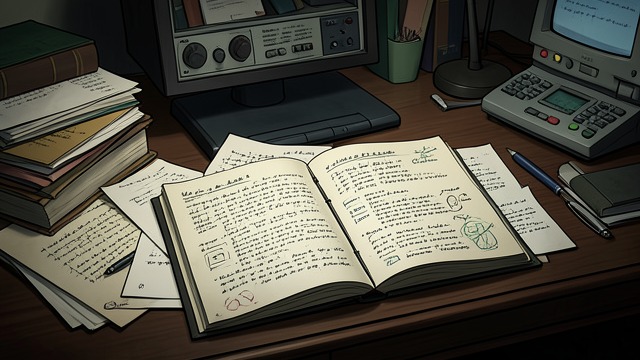
An Inventory of Signs
An Inventory of Signs
No Conventional Plot
The narrator resists giving the affair a neat chronology or explanatory narrative.
She records signs that could occur one day or every day.
Description Instead
The list preserves how passion was experienced before irony could intervene.
Its fragmentary method makes uncertainty part of the account.
The Past Tense
The Past Tense
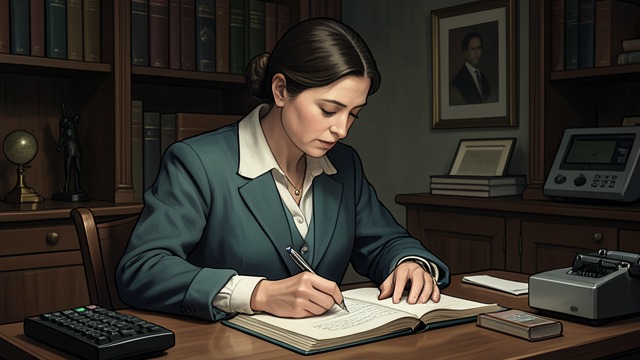
Repeated Experience
Writing in the past tense suggests that the same waiting and longing happened again and again.
The form gives recurrence a place on the page.
A Substitute Pain
Composing revives distress but changes its object.
Written recollection replaces, without erasing, the earlier pain of awaiting A.
Private Pages
Private Pages
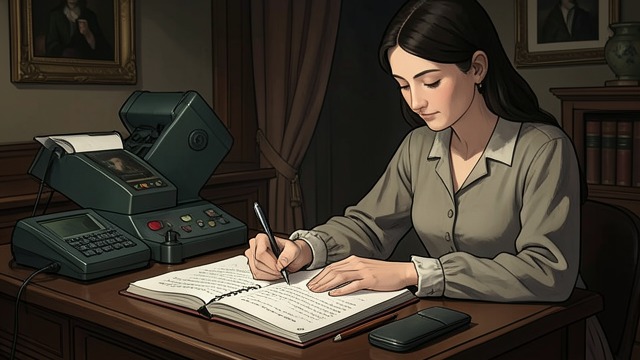
Safe Handwriting
The narrator can still treat her handwritten pages as private and almost childish.
They seem harmless while no reader can see them.
Public Characters
Typing will make the words publicly legible and expose them to judgment.
Publication threatens the innocence that secrecy has preserved.
An Offering to Others
An Offering to Others
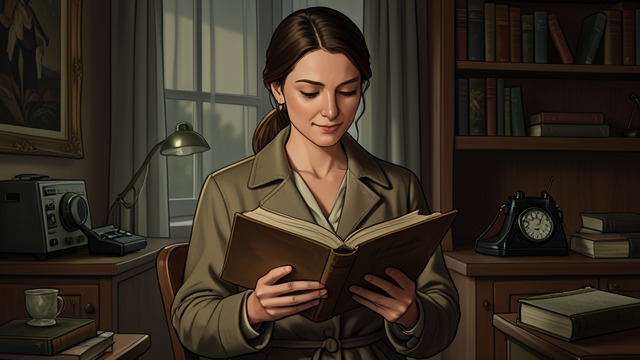
A Changed Object
The living passion has faded, leaving a text that is only its remainder.
The narrator knows the pages may eventually lose meaning even for her.
Translation of Experience
She presents the writing as an offering rather than a portrait of A.
Its purpose is to translate the effects of his existence on her life.
at the opening of the book
while composing the account after A leaves
during the first months of writing
before typing the manuscript
near the end of the book
